

Think viral views pay the rent? Discover the brutal CPM math behind media monetization and how Penta Media builds profitable global content engines.
The digital economy runs on a seductive myth: an internet connection, a microphone, and an algorithmic break are all that stand between a corporate desk worker and financial freedom. Across emerging economies, this narrative has fueled a structural migration. Millions of skilled professionals are stepping away from traditional institutional career tracks to chase full-time digital media production.
Yet behind the viral metric counters and highly stylized studio vlogs lies a brutal structural reality. For every independent operator netting six-figure platform earnings, thousands find themselves trapped in an unyielding monetization loop, chasing pennies on a CPM model dictated by volatile corporate algorithms.
The question is no longer whether a video can go viral. The question is whether an independent content network can scale fast enough to build long-term, institutional equity before platform adjustments compress its margins to zero.
📉 The Math Behind the Views: The CPM Disconnect
The primary failure point for emerging media networks is a fundamental misunderstanding of platform economics. Creators frequently build distribution strategies around platform-native ad revenue programs—such as YouTube’s Partner Program—assuming uniform returns. This is a fatal math error.
Platform revenue is governed by Cost Per Mille (CPM), the rate advertisers pay per one thousand views. This metric is not uniform; it is strictly dictated by the geographic location and purchasing power of the viewer, not the origin of the creator.
| Viewer Location | Average CPM Range (Per 1k Views) | Views Required for $10,000 Revenue |
|---|---|---|
| Tier 1 Markets (US, UK, Germany) | $4.00 – $15.00 | 660,000 – 2,500,000 |
| Tier 2 Markets (South Africa, Kenya, Nigeria) | $0.50 – $2.50 | 4,000,000 – 20,000,000 |
| Tier 3 Markets (Global Emerging Regions) | $0.15 – $0.80 | 12,500,000 – 66,000,000 |
For an international media house anchored in an emerging economy, relying strictly on native ad monetization creates an immediate structural deficit. If a piece of investigative documentary journalism requires $3,000 in upfront field production costs, drone operations, and professional editorial labor, a creator targeting a regional audience must generate millions of impressions just to hit the financial break-even mark.
⚠️ The Failure Modes of the Sole Proprietor
When content production fails to pay the bills, it is rarely due to a lack of creative talent. It is almost always a failure of enterprise architecture. Most creators approach the market as artists rather than industrial operators, falling victim to three structural traps:
- The Production Over-Leverage Trap
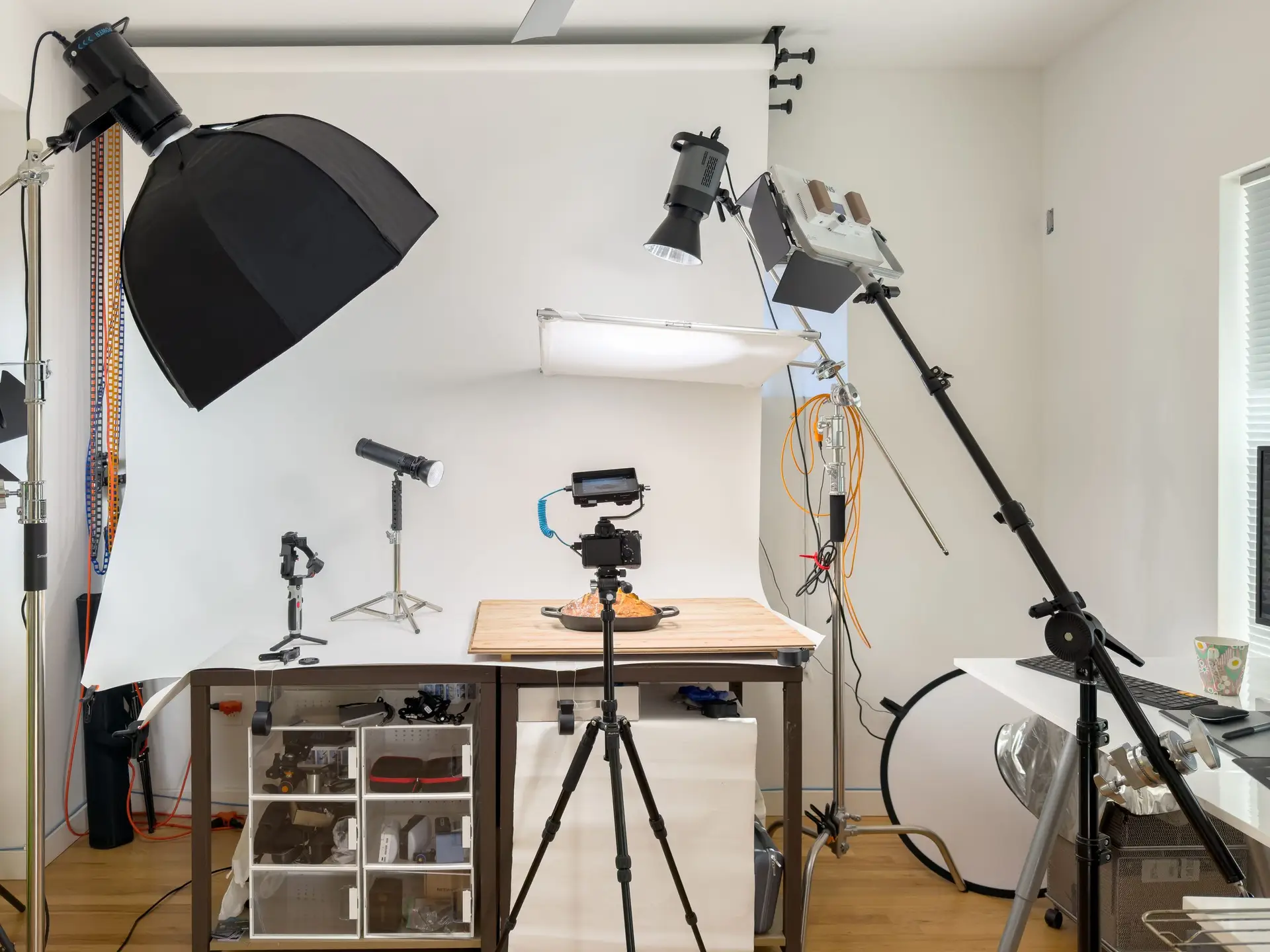
- Investing capital into ultra-high-end cinema cameras and expensive studio real estate before locking in predictable monthly recurring revenue
- Assuming that premium production value automatically yields a higher CPM
- Finding out too late that audience retention is driven by narrative tension and topical execution, not the price of a lens
- The Platform Monoculture Vulnerability
- Building an entire audience distribution network strictly inside a single third-party ecosystem like YouTube or TikTok
- Operating without a self-owned web domain, email asset list, or proprietary text channel
- Realizing that a single sudden adjustment to the platform’s core code can instantly cut off distribution by 70% overnight
- The Monetization Delusion
- Treating audience size as a direct proxy for business viability
- Refusing to implement a clear direct-to-consumer monetization funnel or commercial service arm during the early growth phases
- Leaving your financial health entirely at the mercy of platform payout terms
➡️ The Strategy: From Creator to Sovereign Media House
If content creation is going to reliably fund a modern operation, the traditional business model must be completely upended. You cannot operate as a lone creator waiting for an ad-share check. You must build a diversified, sovereign media enterprise from day one.
✅ Phase 1: The B2B Engine
Do not wait for platform monetization to kick in to fund your enterprise. Use your creative infrastructure—cameras, drone capabilities, and cinematic field-editing skills—as an upscale, enterprise-facing production agency. Pitch long-form documentaries and high-impact visual showcases directly to corporate brands, real estate firms, tourism boards, and global NGOs. Let corporate balance sheets fund your editorial runway.
✅ Phase 2: Direct-to-Consumer IP Equity
Stop selling your audience’s attention back to a platform for pennies. Transition your highest-value attention into self-hosted, proprietary assets. Build out independent premium digital hubs, launch localized sub-brands, and lock in your core audience through value-driven email newsletters and member-supported content networks.
✅ Phase 3: Global Arbitrage Execution
Optimize your production costs locally while distributing your final media assets globally. By producing deep geopolitical, infrastructure, and cultural human-interest stories that capture the attention of high-CPM international markets (like the US, Europe, and global investment hubs), you can pull down premium ad-rates while keeping your operational overhead agile and efficient.
📊 The Bottom Line
Can content creation actually pay the bills? Yes, but only if you stop treating it as an artistic hobby and start managing it like an international infrastructure investment.
The internet does not reward raw effort; it rewards calculated distribution, structural asset ownership, and diversified monetization. The creators who survive the next decade will not be the ones chasing the next viral trend. They will be the sovereign media networks who own their platforms, control their audience lists, and trade in the absolute highest currency of the modern age: trust.